As proven by hundreds of scientific studies on the climate over the last several decades, the planet is being negatively affected by the behavior of humans. Namely, the carbon emissions that are produced from waste and the burning of fossil fuels. There are a lot of tools that we can use to combat climate change. Many of them, such as hydropower and biodegradable materials, are rather large in scale. The only way that ordinary civilians such as you and me can have an influence on their application is through civic engagement. However, there are many who wish to help mitigate climate change and be more sustainable but don’t have much time and are unsure of how to help. They may not know there are other small ways they can help.
Here is a list of 20 ways that you can contribute to a more sustainable life by reducing emissions and waste. None of these are requirements, but I encourage you to try out whichever you are capable of. The impact of making small changes is real, and vital to the Earth’s survival. If more people cut out harmful practices, we can work closer to a more sustainable world.
- Bike
Riding a bike is not only a great way to get in exercise, it is also a form of transporting yourself somewhere without polluting. If you don’t bike in the winter because of the cold: Don’t worry, you can – people bike in the winter in Norway – you just need a good coat and gloves. If there is a barrier to you biking comfortably, start small, and remember that the internet is a great resource for cycling tips and tricks.
- Carpool
Unfortunately, there are some places that are difficult to bike to, or require a drive. In a bikeless scenario, think of a way you can reduce usage of vehicles on the road. Carpooling is great because it does exactly that, and it’s a good way to connect with other people.
- Utilize Public Transportation
Not every person has access to a car. Even if you do, utilising public transport is a great way to pollute less and get where you need to go in the city. I personally recommend, if you are in the Charlottesville area, using the SPOT App (Spatial Positioning On Transit) to see schedules and real-time locations of buses. The app is free to use and download.
- Walk
A great way to get exercise, get where you need to go, and see more of your neighborhood. There are so many benefits to walking, I highly encourage you to try it. One note though: I recommend not listening to music or a podcast while walking, as it can be more calming without any aural stimulation. (And you might get hit by a car if you’re not paying attention, and we don’t want that!). The point is, be careful when you walk.
- Shop ethically and locally
Global shipping pollutes around 858,000,000 tons of atmospheric carbon dioxide a year. Packaging products use plastics and papers that pollute oceans and ecosystems. Not to mention the harmful impacts of endlessly producing fast products en masse. You can reduce these destructive results by choosing to purchase things you need from local and ethical businesses, ideally ones that share goals of sustainability.
- Reduce
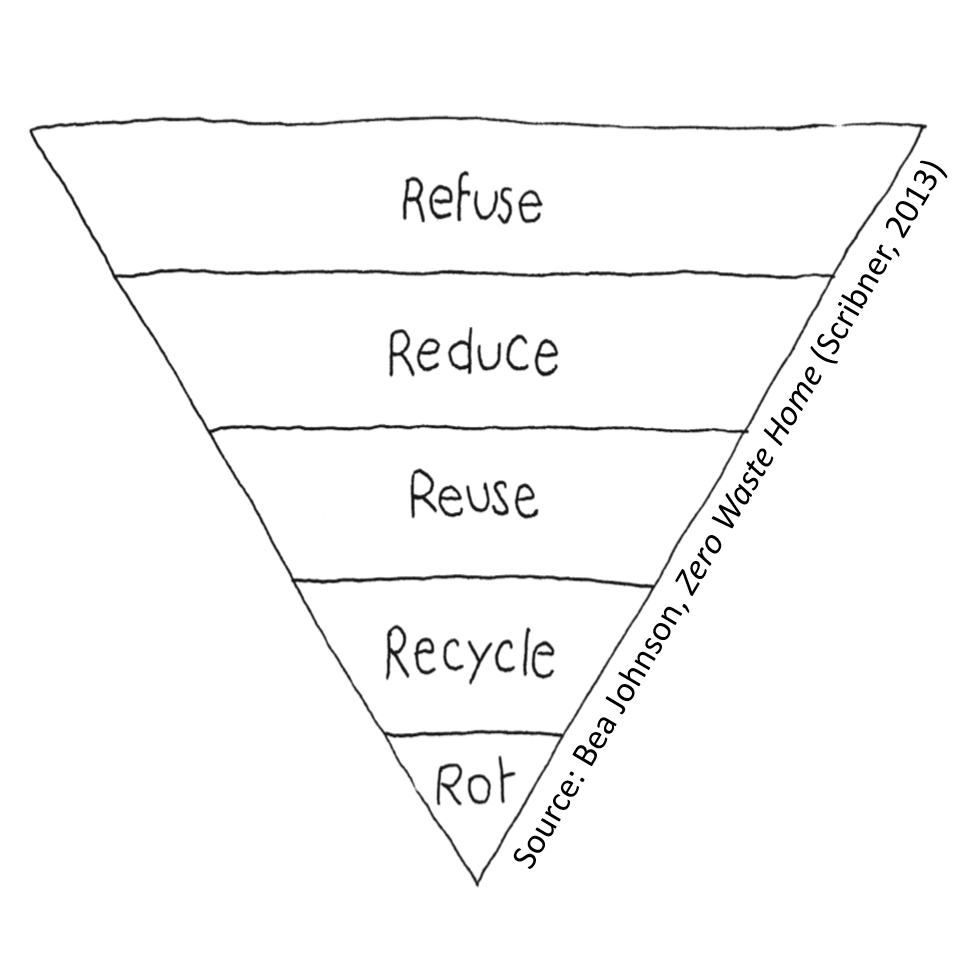
While shopping locally is a good way to obtain, it is not the only step in being a sustainable consumer. Many people know the phrase “Reduce, Reuse, Recycle”, but the influence of corporations has emphasized recycling as the sole strategy of being environmentally friendly, which it isn’t. Recycling is more of a last resort. The first and more important step in the sustainability triangle is reduction. By reducing how much you consume (energy, water, clothing, food, etc.) you produce less waste and carbon, increasing sustainability, and you may also find fun hobbies and opportunities for making things yourself.
- Reuse
The next important step in the sustainability triangle is to reuse. This is very important considering the absurd amounts of useless junk that we produce. Junk that mostly ends up in landfills or in disrupting ecosystems. Try to consider the many other ways you could use a product before you throw it away and the opportunities to reuse when you’re initially buying a product. I particularly enjoy the opportunities for craft activities that you can explore while reusing or upcycling materials.
- Recycle
The last step in this triangle is recycling, and while this is better than an item ending up in the landfill, it still produces carbon and waste. Recycle whenever possible, but also reduce and reuse before recycling. See these websites for more information: https://millerrecycling.com/plastics-recycling-numbers/ and https://plasticfilmrecycling.org/
- Compost
Composting is a process to store all of your plant food waste in a secure location outdoors so it eventually turns into rich compost that can be used in gardening and more. Black Bear Composting is a local industrial composting company, and is a great option if you don’t have the outdoor space to compost yourself.
- Reduce your water consumption
Water takes energy to clean, transport, and process. The less of it you use, the better. Try to be mindful of your impact when you use water.
- Plant trees
A fun outdoor activity, and trees absorb carbon dioxide, create clean oxygen, and improve urban areas.
- Plant a garden
This has so many benefits. Planting a garden gives you a fun and relaxing hobby, tasty and organic food, less need to buy food, and the satisfaction of being more sustainable. If you’re not sure how to start, there are a lot of great resources online from The National Gardening Association.
- Eat less meat
14-18% of global carbon emissions come from the production of meat. Choosing to remove meat (or some of it) from your diet can be extremely beneficial by reducing demand for the product. This also can benefit your health and well being.
- Shop and eat local
This is both fun activity and a way to reduce waste and emissions, as food and other products pollute more the farther they have to travel.
- Pass on plastic
All stages of the life of a plastic product are damaging for the environment and for us. It’s not enough to just recycle what you can, because not all plastic is recyclable. The best option is to refuse it. Get paper or reusable canvas bags instead, look for food that uses as little plastic packaging as possible, and make use of shops like Refill Renew (https://www.refillrenew.com/).
- Drink Tap water instead of Bottled water
Invest in a water filter and you can reduce plastic waste by not buying bottled water.
- Make Efficient use of energy and time when making errands
Try to be smart about when and where you drive, if you need to, and don’t make three trips out if you could get away with one. Every car on the road is more carbon being emitted.
- Turn off the lights.
Don’t worry, the dark can’t hurt you. However, global warming can. Try to limit the lights you have on and make use of the sun’s free energy.
- Use bar soaps and products instead of plastic containers
There are a lot of good products out there that are great substitutes for ones that come in plastic containers. Again, Refill Renew is fantastic.
- Label everything in your home that uses energy with how much carbon it emits per year.
This is really helpful for things like washers, dryers, hair dryers, and ovens. Doing this will ideally help you be more conscious about your environmental impact.
Hopefully you will find these tips helpful, and you are encouraged to share them with others, because we all benefit from being more sustainable.
Sources:
https://www.cbs.de/en/blog/sustainable-living-tips-for-a-more-sustainable-lifestyle